Karadeniz Region
Study in Trabzon
2 universities, 2 programmes
Key facts
Universities
2
Programmes
2
Why Trabzon?
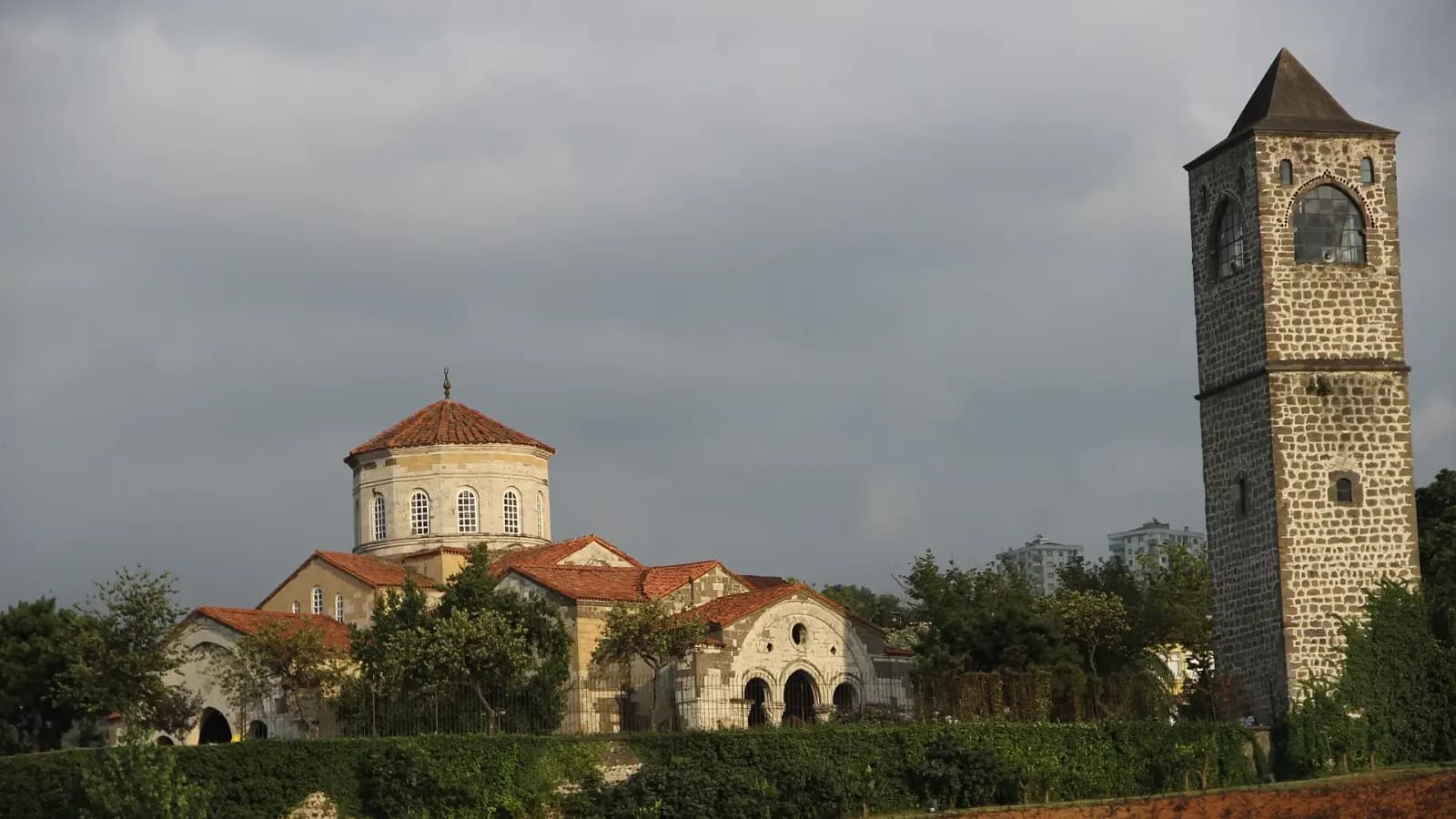
Trabzon is on the Black Sea coast, with the sea on one side and mountains close behind. It is a long established port city and the main university centre of the eastern Black Sea region.
It suits someone who wants a smaller city, green surroundings and lower costs, and who does not mind rain. It is further from the other five provinces than they are from each other, so travel takes longer.
Universities in Trabzon
All universities in Trabzon →
Programmes by subject
See all programmes in Trabzon →Cost of living
Costs are lower than in the large western cities, rent included. Housing near the university is the usual choice.
Student life
Life centres on the university district and the seafront. The campus is large and much of what a student needs day to day is on it or immediately around it.
It rains through much of the year, which shapes how people spend their time: indoor cafés and campus facilities carry more of the social life than they do on the Mediterranean coast.
Getting around and culture
City buses and shared taxis cover the routes, and the campus is connected to the centre. Distances within the city are short.
The mountain plateaus behind the city are the usual destination outside term, and the region is known for them. The airport has domestic flights and some international connections.
Visa, work and language
These rules are the same everywhere in Türkiye. They are not specific to Trabzon.
Student visa
Most international students need a student visa from a Turkish consulate before travelling, and then a student residence permit after arriving. The university's international office issues the acceptance documents the application is built on, and it is the first place to ask when something is unclear.
The order matters: the visa is applied for in your own country, and the residence permit is applied for in Türkiye within the period allowed after arrival.
Requirements differ by nationality and change from time to time. Check the current rules at the Presidency of Migration Management (goc.gov.tr) and with the Turkish consulate in your country before you make travel plans.
Working while you study
Working while studying is possible within limits that depend on your level of study and your permit. The limits are not the same for undergraduate and postgraduate students, and working outside them puts your residence permit at risk.
Before accepting any work, including seasonal work, confirm what your own permit allows with your university's international office. Internships that are part of your programme are handled separately, and your department will tell you how.
Language of instruction
Programmes are taught in Turkish or in English, and some are taught partly in both. The language is listed on each programme page, so check it there rather than assuming from the university.
Programmes taught in Turkish usually require a Turkish proficiency certificate, and universities run preparatory year courses for students who need one. Programmes taught in English usually require an English test result, with the accepted tests and scores set by each university.
Frequently asked questions
How much does it rain?
Rain is spread through the year rather than falling in one season. Bring waterproof clothing you can use daily.
How far is it from the other cities?
Further than the western provinces are from each other. Flying is the practical option for most trips.