Ege Region
Study in İzmir
5 universities, 4 programmes
Key facts
Universities
5
Programmes
4
Why İzmir?
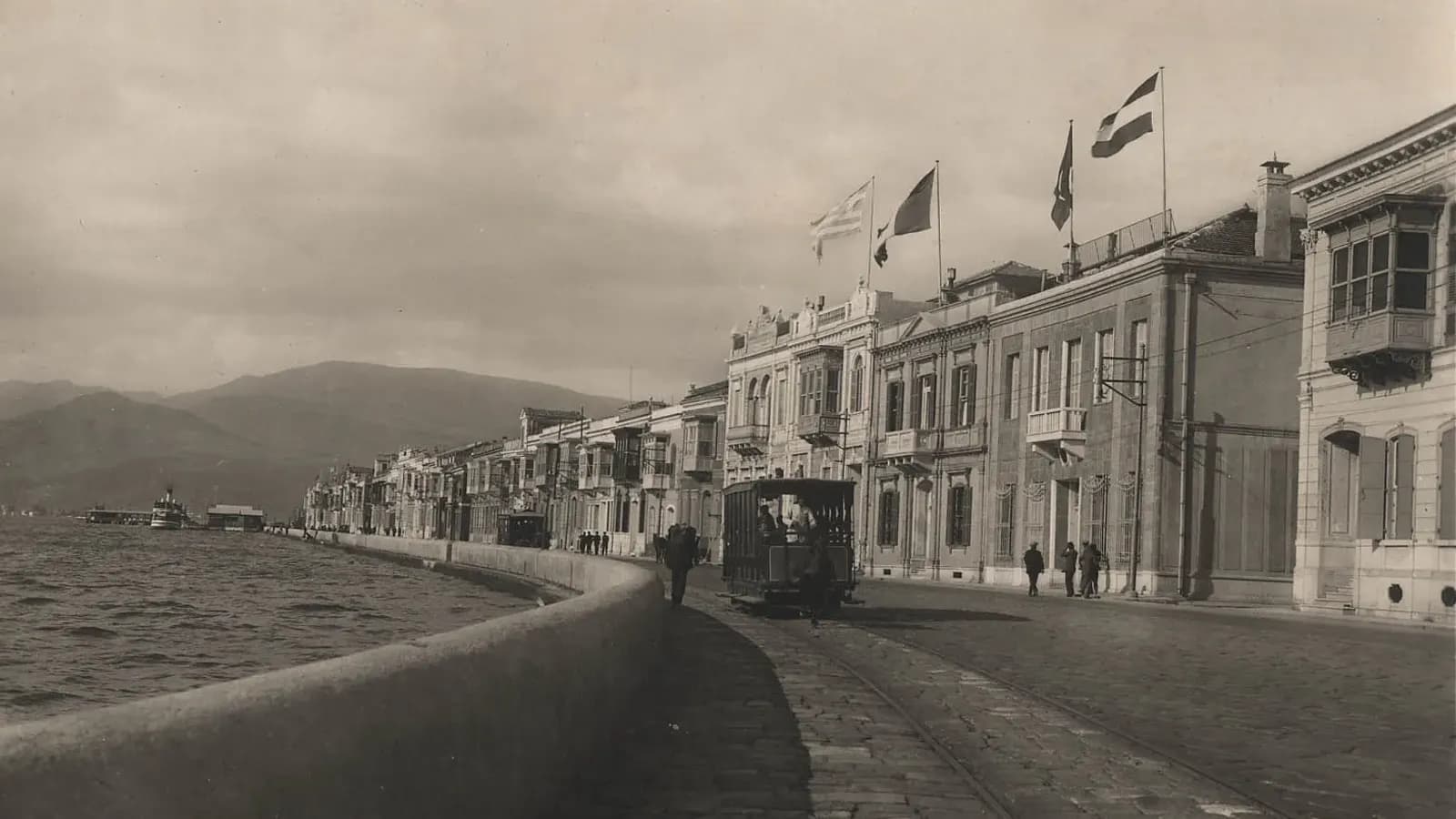
İzmir is on the Aegean coast and is the third largest city in Türkiye. It is smaller and calmer than İstanbul while still having a full range of programmes, and the sea is part of daily life rather than a weekend trip.
The climate is mild, the coastline is close, and the city has a reputation among students for being comfortable to live in. Campuses are spread between the city and the surrounding districts.
Universities in İzmir
All universities in İzmir →


Programmes by subject
Cost of living
İzmir sits between İstanbul and the smaller provinces on cost. Rent near the coast is higher than inland, and student districts around the campuses are usually the better value.
Student life
Student areas cluster around the campuses, with the usual mix of cafés, cheap kitchens and bookshops. The seafront is where a lot of free time goes, and it stays usable for much more of the year than in the inland provinces.
The academic year runs through a mild autumn and a short winter, so outdoor life continues later into the term than it does in Ankara or Eskişehir.
Getting around and culture
The metro, suburban rail and ferries connect the city along the bay, and buses cover the rest. The suburban line is what makes living in an outlying district practical.
The surrounding region has a dense concentration of ancient sites and small coastal towns, most of them reachable for a day out by intercity bus. The airport has domestic and international connections.
Visa, work and language
These rules are the same everywhere in Türkiye. They are not specific to İzmir.
Student visa
Most international students need a student visa from a Turkish consulate before travelling, and then a student residence permit after arriving. The university's international office issues the acceptance documents the application is built on, and it is the first place to ask when something is unclear.
The order matters: the visa is applied for in your own country, and the residence permit is applied for in Türkiye within the period allowed after arrival.
Requirements differ by nationality and change from time to time. Check the current rules at the Presidency of Migration Management (goc.gov.tr) and with the Turkish consulate in your country before you make travel plans.
Working while you study
Working while studying is possible within limits that depend on your level of study and your permit. The limits are not the same for undergraduate and postgraduate students, and working outside them puts your residence permit at risk.
Before accepting any work, including seasonal work, confirm what your own permit allows with your university's international office. Internships that are part of your programme are handled separately, and your department will tell you how.
Language of instruction
Programmes are taught in Turkish or in English, and some are taught partly in both. The language is listed on each programme page, so check it there rather than assuming from the university.
Programmes taught in Turkish usually require a Turkish proficiency certificate, and universities run preparatory year courses for students who need one. Programmes taught in English usually require an English test result, with the accepted tests and scores set by each university.
Frequently asked questions
Is the coast reachable during term?
Yes. The city is on the bay and public transport runs along it, so the sea is part of an ordinary week rather than a trip.
Are campuses inside the city?
Some are, and others are in surrounding districts. Check the transport connection to the specific campus before choosing housing.