Akdeniz Region
Study in Antalya
4 universities, 2 programmes
Key facts
Universities
4
Programmes
2
Why Antalya?
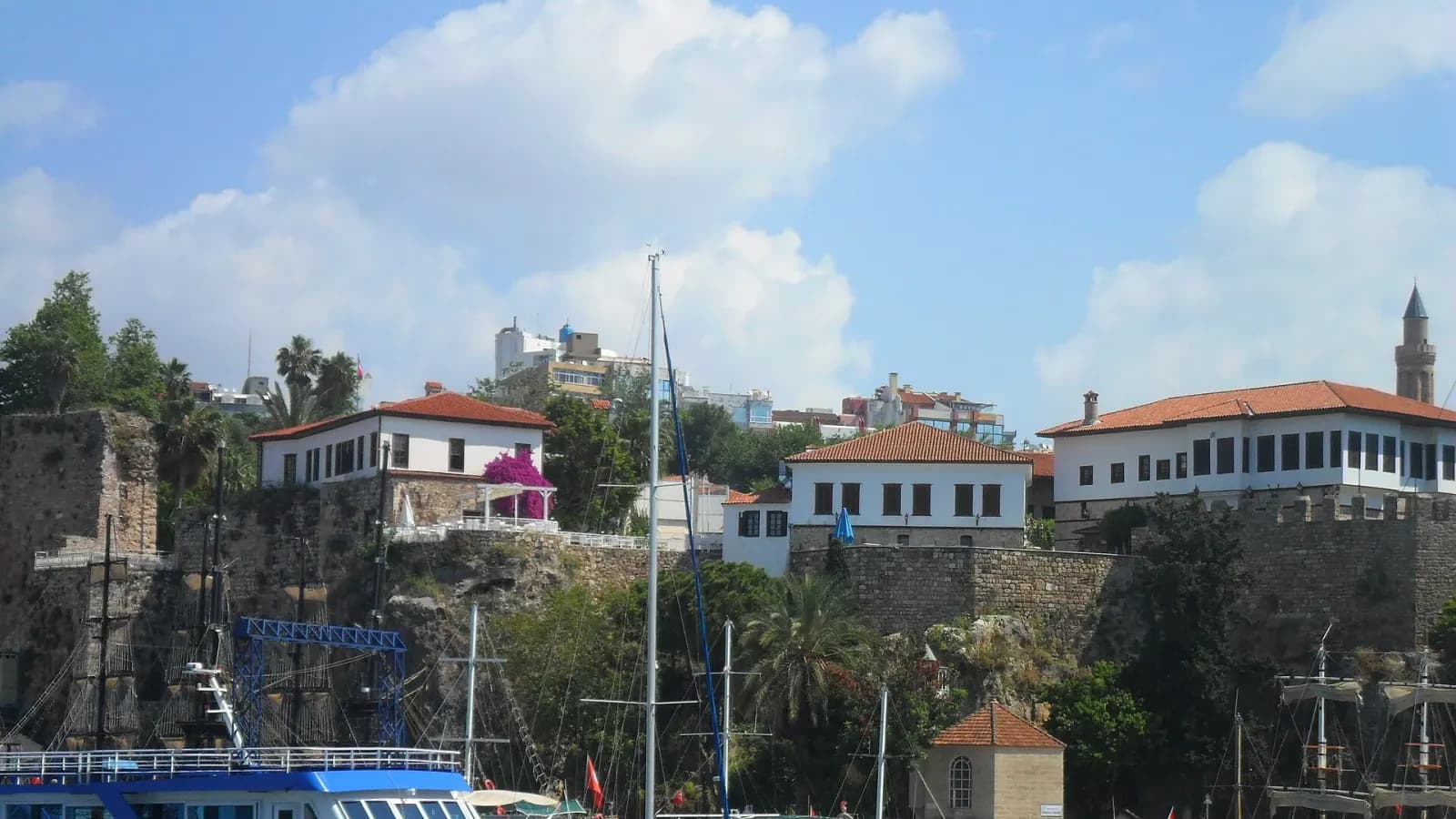
Antalya is on the Mediterranean coast, with warm winters and a long summer. It is a smaller city than the three above, and the university is a large part of its life rather than one institution among many.
Tourism is the main industry, which matters for students in tourism management, hospitality and languages: the sector is on the doorstep and seasonal work is common.
Universities in Antalya
All universities in Antalya →
Programmes by subject
See all programmes in Antalya →Cost of living
Cost here has a seasonal shape that the other provinces do not have. Short term holiday letting pushes rents up over the summer, so a lease signed in the high season and one signed outside it can look very different.
Look for a twelve month lease rather than a summer one, and start looking before the season.
Student life
Life is oriented towards the campus and the coast. The university district has the student housing, the cheap food and the everyday services, and the beaches are reachable by public transport.
The city fills up in summer and empties afterwards, so term time and holiday time feel like two different places. Students who stay through the summer usually find work.
Getting around and culture
A tram line and city buses cover the main routes, including the university. Distances are short compared with the larger cities.
The province has a dense set of ancient sites along the coast and mountains directly behind it, so hiking and the sea are both close. The airport is busy year round and has wide international connections in the summer season.
Visa, work and language
These rules are the same everywhere in Türkiye. They are not specific to Antalya.
Student visa
Most international students need a student visa from a Turkish consulate before travelling, and then a student residence permit after arriving. The university's international office issues the acceptance documents the application is built on, and it is the first place to ask when something is unclear.
The order matters: the visa is applied for in your own country, and the residence permit is applied for in Türkiye within the period allowed after arrival.
Requirements differ by nationality and change from time to time. Check the current rules at the Presidency of Migration Management (goc.gov.tr) and with the Turkish consulate in your country before you make travel plans.
Working while you study
Working while studying is possible within limits that depend on your level of study and your permit. The limits are not the same for undergraduate and postgraduate students, and working outside them puts your residence permit at risk.
Before accepting any work, including seasonal work, confirm what your own permit allows with your university's international office. Internships that are part of your programme are handled separately, and your department will tell you how.
Language of instruction
Programmes are taught in Turkish or in English, and some are taught partly in both. The language is listed on each programme page, so check it there rather than assuming from the university.
Programmes taught in Turkish usually require a Turkish proficiency certificate, and universities run preparatory year courses for students who need one. Programmes taught in English usually require an English test result, with the accepted tests and scores set by each university.
Frequently asked questions
Will I find accommodation in the summer?
It is harder and more expensive during the tourist season. Sign a twelve month lease if you can, and start looking early.
Is there work during the holidays?
Seasonal work in tourism is common. Check what your residence permit allows before accepting anything.