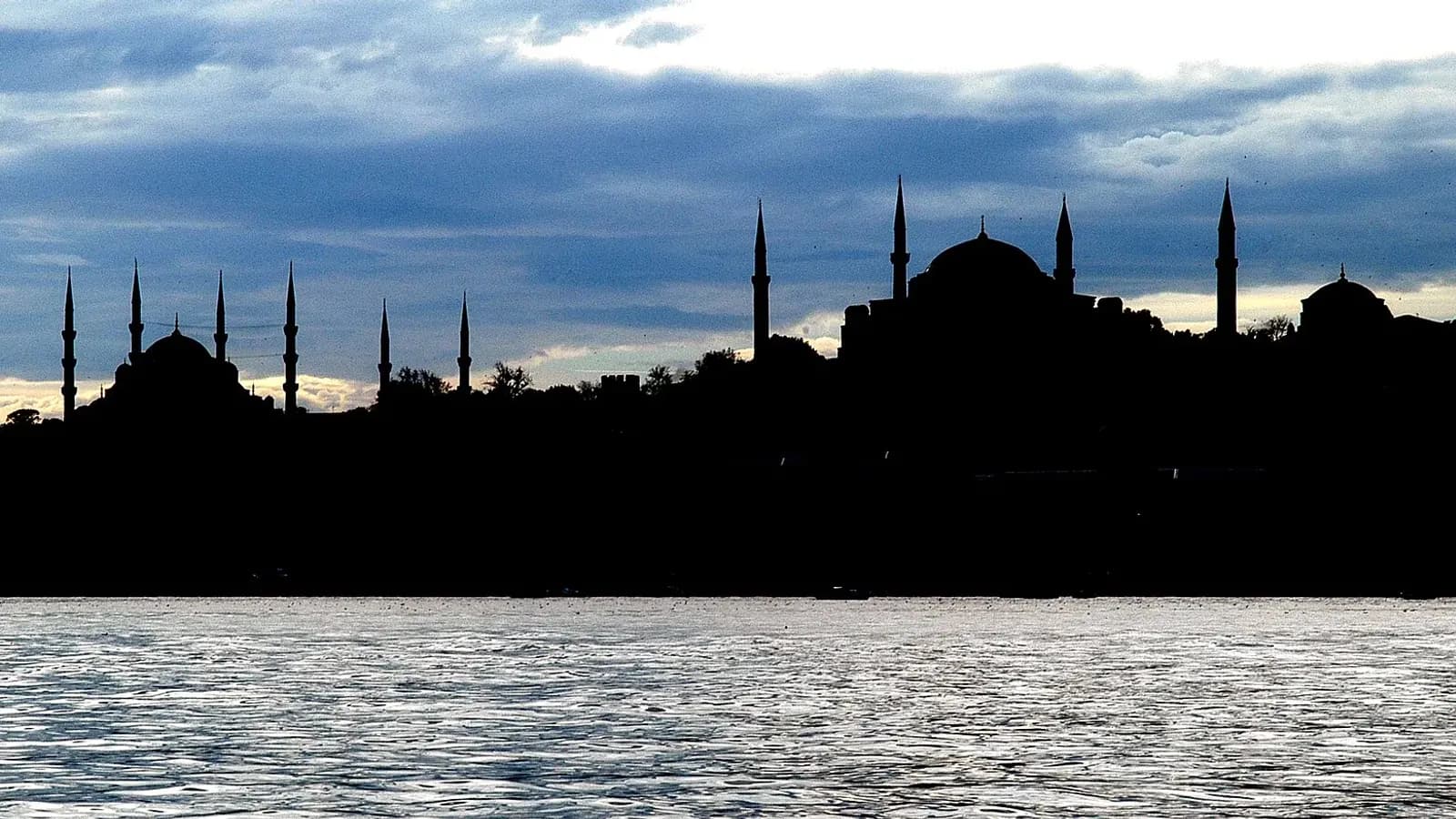
Marmara Region
Study in İstanbul
42 universities, 13 programmes
Key facts
Universities
42
Programmes
13
Why İstanbul?
İstanbul is the largest city in Türkiye and the one with the most universities, so it offers the widest choice of programmes in the country. The city sits on both sides of the Bosphorus, with campuses on the European and the Asian side, and a student here is rarely more than a metro or ferry ride from a lecture hall.
It suits someone who wants a large city with everything in it: employers for internships, an airport with direct flights to most of the world, and a student population big enough that there is a community for almost any interest. It suits someone looking for quiet and low costs less well.
Universities in İstanbul
All universities in İstanbul →


Programmes by subject
Cost of living
İstanbul is the most expensive province in this catalogue, and rent is what drives that. Prices vary sharply by district: living near a central campus costs considerably more than living further out and commuting.
The transport card matters more here than anywhere else on this list, because distances are long and most students use it every day.
Student life
Student life is spread across the city rather than concentrated in one quarter. Each large campus has its own surrounding area with cafés, bookshops and cheap food, and students tend to spend time near where they study rather than travelling across the city in the evening.
Traffic shapes the day more than anything else. Students who live on the same side of the Bosphorus as their campus get hours back every week compared with those who cross it twice a day.
Getting around and culture
Getting around is done by metro, tram, bus and ferry, all on the same travel card. The ferry lines are ordinary commuting, not sightseeing, and they are often the fastest way between the two sides.
The city's older quarters, its museums and its music venues are open through the academic year, and students pay reduced entry at most public museums. İstanbul is also the easiest departure point in the country for travelling elsewhere, by air, by bus or by train.
Visa, work and language
These rules are the same everywhere in Türkiye. They are not specific to İstanbul.
Student visa
Most international students need a student visa from a Turkish consulate before travelling, and then a student residence permit after arriving. The university's international office issues the acceptance documents the application is built on, and it is the first place to ask when something is unclear.
The order matters: the visa is applied for in your own country, and the residence permit is applied for in Türkiye within the period allowed after arrival.
Requirements differ by nationality and change from time to time. Check the current rules at the Presidency of Migration Management (goc.gov.tr) and with the Turkish consulate in your country before you make travel plans.
Working while you study
Working while studying is possible within limits that depend on your level of study and your permit. The limits are not the same for undergraduate and postgraduate students, and working outside them puts your residence permit at risk.
Before accepting any work, including seasonal work, confirm what your own permit allows with your university's international office. Internships that are part of your programme are handled separately, and your department will tell you how.
Language of instruction
Programmes are taught in Turkish or in English, and some are taught partly in both. The language is listed on each programme page, so check it there rather than assuming from the university.
Programmes taught in Turkish usually require a Turkish proficiency certificate, and universities run preparatory year courses for students who need one. Programmes taught in English usually require an English test result, with the accepted tests and scores set by each university.
Frequently asked questions
Do I need to live near my campus?
Not necessarily, but the commute is the thing to check before signing a lease. Look at the route on a map with traffic, not just the distance.
Is İstanbul manageable without Turkish?
Programmes taught in English exist and university staff generally speak it. Day to day life outside campus is easier with some Turkish, and universities usually offer language courses.